
Winning often receives the spotlight in sports, but how athletes handle losing can reveal far more about their character. Experiencing a losing streak can be frustrating, discouraging, and emotionally draining. Whether in professional competition, school athletics, or recreational leagues, repeated losses can test confidence and motivation. However, true sportsmanship is not defined by victories—it is demonstrated through attitude, resilience, and respect during difficult moments.
Good sportsmanship during challenging times reflects maturity and strong values. It involves respecting opponents, supporting teammates, and maintaining discipline even when results are disappointing. Athletes who respond positively to setbacks often grow stronger, both mentally and physically.
Losing streaks are part of competitive sports. They provide opportunities for reflection, improvement, and character development. This guide explores how athletes can maintain integrity, positivity, and focus when facing repeated losses, transforming setbacks into powerful lessons for long-term success.
Accepting Defeat with Respect and Composure
One of the most important aspects of good sportsmanship during losing streaks in competitive sports is accepting defeat gracefully. This means acknowledging the opponent’s performance without excuses or negative reactions.
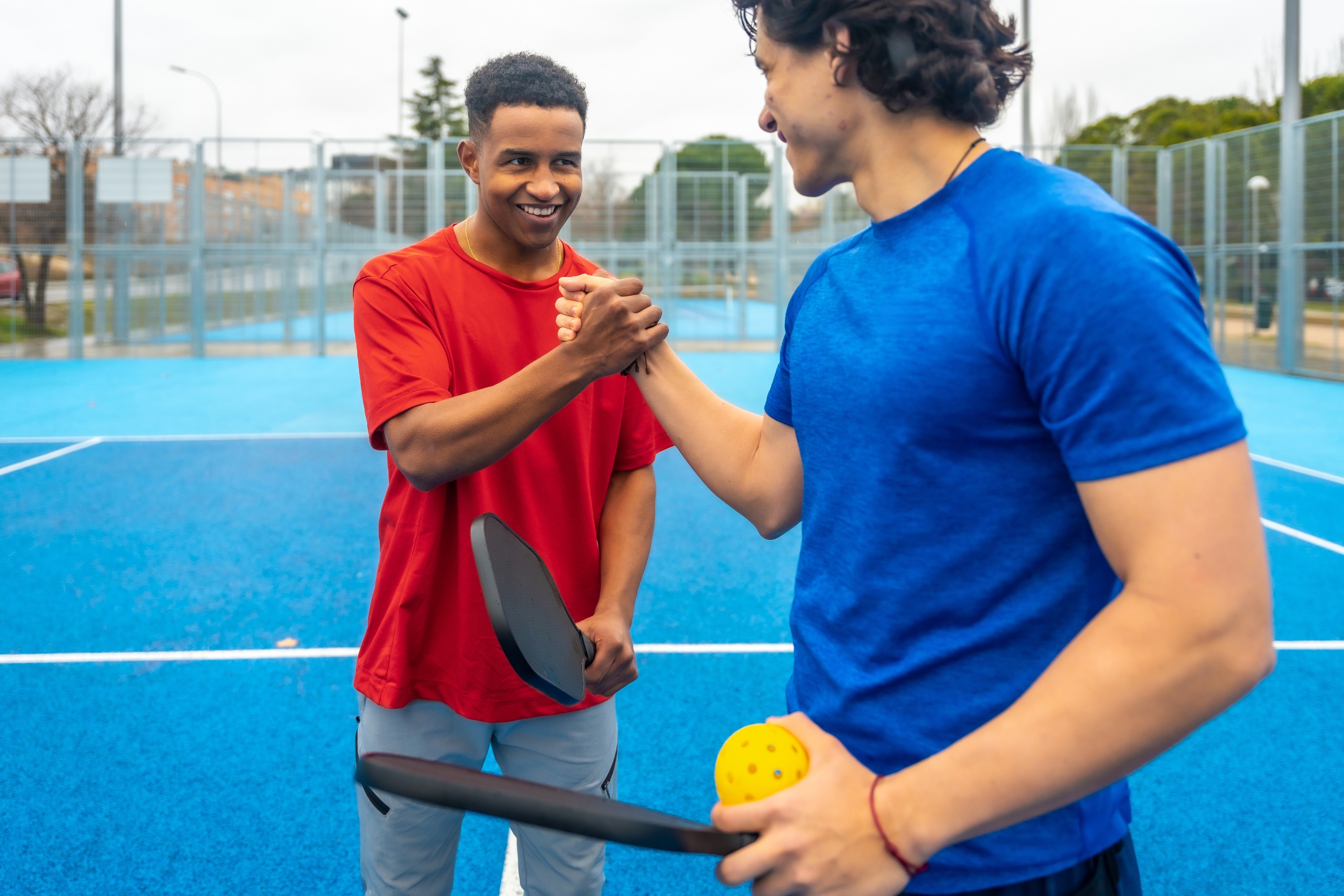
Showing respect through handshakes, congratulatory words, and calm behavior demonstrates professionalism and maturity. Even when emotions are strong, maintaining composure sets a positive example for teammates and spectators.
In a mental strength and positive athlete mindset guide, emotional regulation is emphasized as a key skill. Athletes who control reactions build resilience and maintain credibility.
Graceful acceptance does not mean ignoring disappointment—it means handling it constructively and respectfully.
Supporting Teammates Instead of Assigning Blame
Losing streaks can create tension within teams. Blaming others or criticizing mistakes often damages morale and weakens trust.
Strong athletes focus on encouragement rather than fault-finding. They uplift teammates, highlight effort, and reinforce unity even during challenging times.
Team solidarity is central to good sportsmanship during losing streaks in competitive sports, as cooperation remains essential regardless of outcomes.
A mental strength and positive athlete mindset guide encourages athletes to view setbacks as shared learning experiences rather than personal failures. Positive communication strengthens long-term performance.
Using Losses as Learning Opportunities
Every loss provides valuable insight. Reviewing performance, identifying weaknesses, and adjusting strategies are productive responses to defeat.
Athletes who treat losing streaks as opportunities for growth often emerge stronger. Constructive feedback from coaches and self-analysis promote improvement.
This growth-oriented mindset supports good sportsmanship during losing streaks in competitive sports, because it shifts focus from frustration to development.
In a mental strength and positive athlete mindset guide, reflection is described as a powerful tool for building confidence. Learning from setbacks prevents repeated mistakes and fuels motivation.
Maintaining Discipline and Work Ethic
Losing repeatedly can lead to discouragement and reduced effort. However, consistent discipline and training are crucial during difficult periods.
Continuing to practice with intensity, following coaching advice, and staying committed demonstrate true sportsmanship and professionalism.
Dedication during adversity reinforces good sportsmanship during losing streaks in competitive sports, as effort remains consistent regardless of scorelines.
According to a mental strength and positive athlete mindset guide, persistence builds mental endurance. Athletes who maintain work ethic during setbacks develop long-term confidence.
Protecting Mental Health and Confidence
Repeated losses can impact self-esteem and motivation. It is important for athletes to acknowledge emotions while avoiding self-criticism.
Seeking encouragement from coaches, teammates, or mentors helps restore confidence. Taking short mental breaks and focusing on strengths also supports emotional balance.
Emotional care plays a significant role in good sportsmanship during losing streaks in competitive sports, ensuring that setbacks do not define identity.
A mental strength and positive athlete mindset guide highlights the importance of self-compassion. Confidence is strengthened through resilience, not perfection.
Conclusion
Losing streaks are inevitable in competitive sports, but how athletes respond to them defines true character. By practicing good sportsmanship during losing streaks in competitive sports, individuals demonstrate respect, resilience, and commitment to improvement. Accepting defeat gracefully, supporting teammates, learning from mistakes, maintaining discipline, and protecting mental well-being all contribute to long-term growth. At the same time, applying principles from a mental strength and positive athlete mindset guide ensures that setbacks become opportunities rather than obstacles. Victory may be the goal, but integrity and perseverance are lasting achievements. When athletes maintain positive attitudes during difficult periods, they build not only stronger performance skills but also deeper personal strength.