
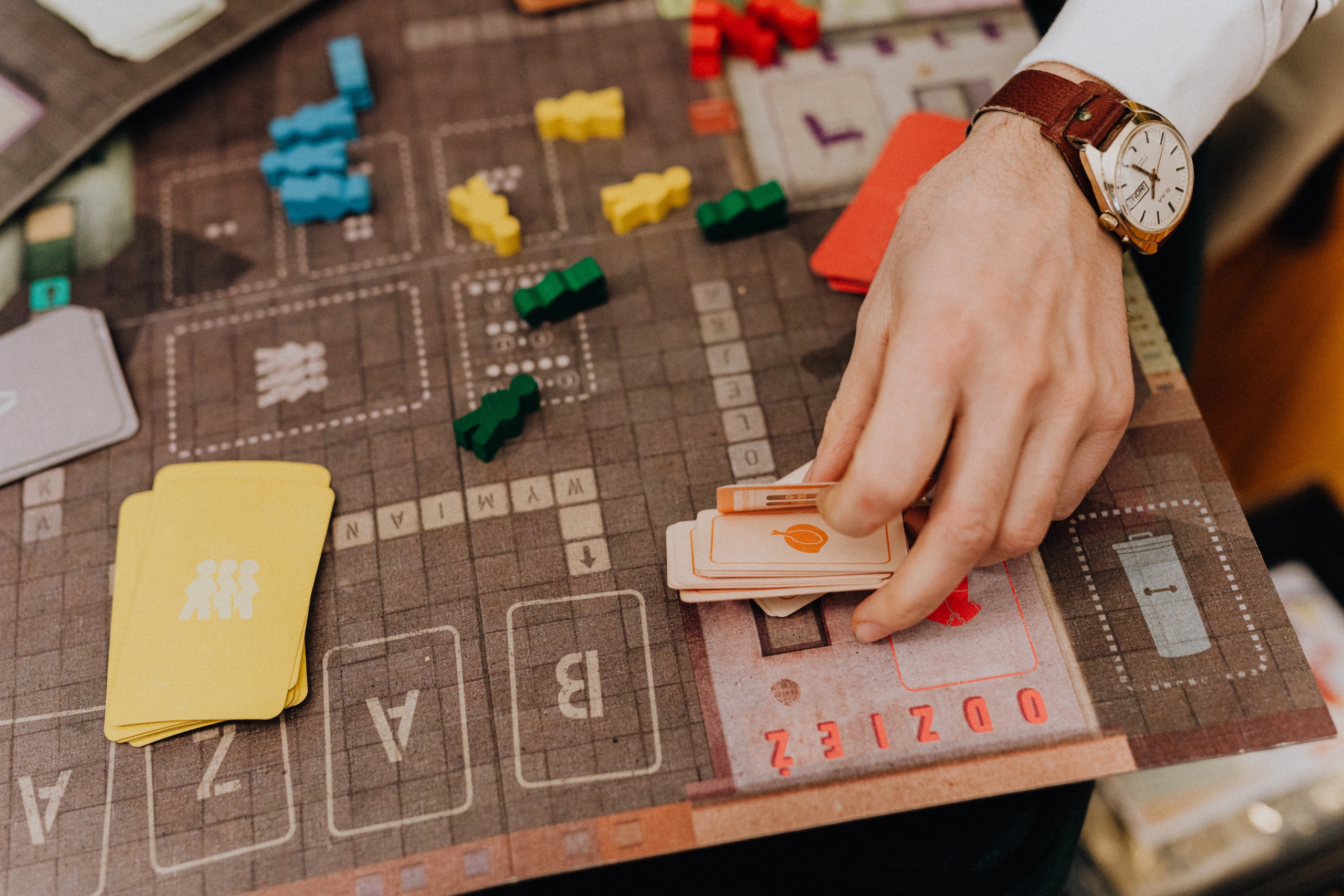
Modern workplaces are evolving beyond traditional desks and meeting rooms. Companies now recognize that employee well-being directly influences productivity, creativity, and job satisfaction. Adding leisure items and board games to the office has become a popular way to create a more balanced and engaging environment. However, the challenge lies in encouraging enjoyment without distracting employees from their responsibilities.
When introduced thoughtfully, leisure activities can reduce stress, strengthen teamwork, and improve overall morale. Short mental breaks often help employees return to tasks with renewed focus and energy. The key is setting clear boundaries and integrating leisure into company culture in a structured way.
This guide explores practical office leisure ideas and board games that promote relaxation and collaboration while maintaining professionalism. By selecting the right activities and implementing reasonable guidelines, businesses can create a workplace that supports both performance and positive employee experiences.
Classic Board Games for Team Bonding
Board games such as chess, Scrabble, and strategy-based tabletop games are excellent examples of office leisure ideas and productive workplace game solutions. These games encourage logical thinking, planning, and friendly competition.
Unlike fast-paced digital distractions, traditional board games promote face-to-face interaction. They can strengthen communication skills and foster team relationships during scheduled breaks.
In an employee engagement and work-life balance strategy guide, structured team activities are often recommended to enhance collaboration. Short game sessions during lunch breaks or after work can refresh employees without affecting core responsibilities.
Providing designated game areas also helps ensure that leisure activities remain controlled and purposeful.
Puzzle Corners and Brain Teasers
Puzzle tables with jigsaw puzzles, Rubik’s cubes, or brain teasers can stimulate creativity and problem-solving skills. These low-pressure activities allow employees to decompress while still engaging their minds.
Puzzle corners are ideal for quick mental breaks. Employees can contribute gradually without needing to commit extended time away from their tasks.
These additions fit well within office leisure ideas and productive workplace game solutions, as they balance relaxation with intellectual stimulation.
An employee engagement and work-life balance strategy guide highlights that mental variety can reduce burnout. Short, mindful breaks often enhance long-term focus.
Table Games for Quick Energy Boosts
Table tennis, foosball, or mini basketball hoops are popular office additions. These games provide short bursts of physical movement, which can improve circulation and refresh attention.
Physical activity reduces stress hormones and increases energy levels. However, scheduling and time management are essential to prevent overuse.
Including table games as part of office leisure ideas and productive workplace game solutions helps promote healthy breaks without disrupting workflow.
According to an employee engagement and work-life balance strategy guide, physical leisure activities should complement work schedules, not replace them. Clear break policies maintain balance.
Relaxation Zones with Reading and Creative Tools
Quiet corners with books, magazines, sketchpads, or mindfulness coloring pages can provide calm alternatives to competitive games. Not all employees enjoy fast-paced activities, so offering diverse options is beneficial.
Creative tools encourage self-expression and relaxation. Reading or sketching during breaks can help employees recharge mentally.
These calm additions are valuable office leisure ideas and productive workplace game solutions, especially in high-pressure work environments.
An employee engagement and work-life balance strategy guide often emphasizes inclusivity. Providing varied leisure options ensures everyone feels comfortable participating.
Setting Clear Boundaries to Maintain Productivity
Introducing leisure items requires clear expectations. Establishing break times, designated leisure areas, and guidelines prevents distractions from interfering with work responsibilities.
Managers can model responsible behavior by participating occasionally while reinforcing task priorities. Monitoring productivity ensures that leisure enhances performance rather than reduces it.
This structured approach defines successful office leisure ideas and productive workplace game solutions, ensuring balance between enjoyment and accountability.
In an employee engagement and work-life balance strategy guide, leadership involvement is highlighted as essential. When policies are clear and fair, employees can enjoy breaks without guilt or confusion.
Conclusion
Incorporating leisure items and board games into the office can significantly improve morale, teamwork, and overall employee satisfaction when implemented thoughtfully. By applying office leisure ideas and productive workplace game solutions, companies can create environments that encourage healthy breaks without sacrificing productivity. Classic board games, puzzle corners, table games, and quiet relaxation zones each offer different benefits that support both mental refreshment and collaboration. At the same time, following principles from an employee engagement and work-life balance strategy guide ensures that leisure remains structured and purposeful. Clear boundaries and leadership guidance help maintain focus while allowing employees to recharge. When balanced properly, workplace leisure fosters creativity, reduces stress, and strengthens team relationships—ultimately contributing to stronger performance and a more positive organizational culture.